
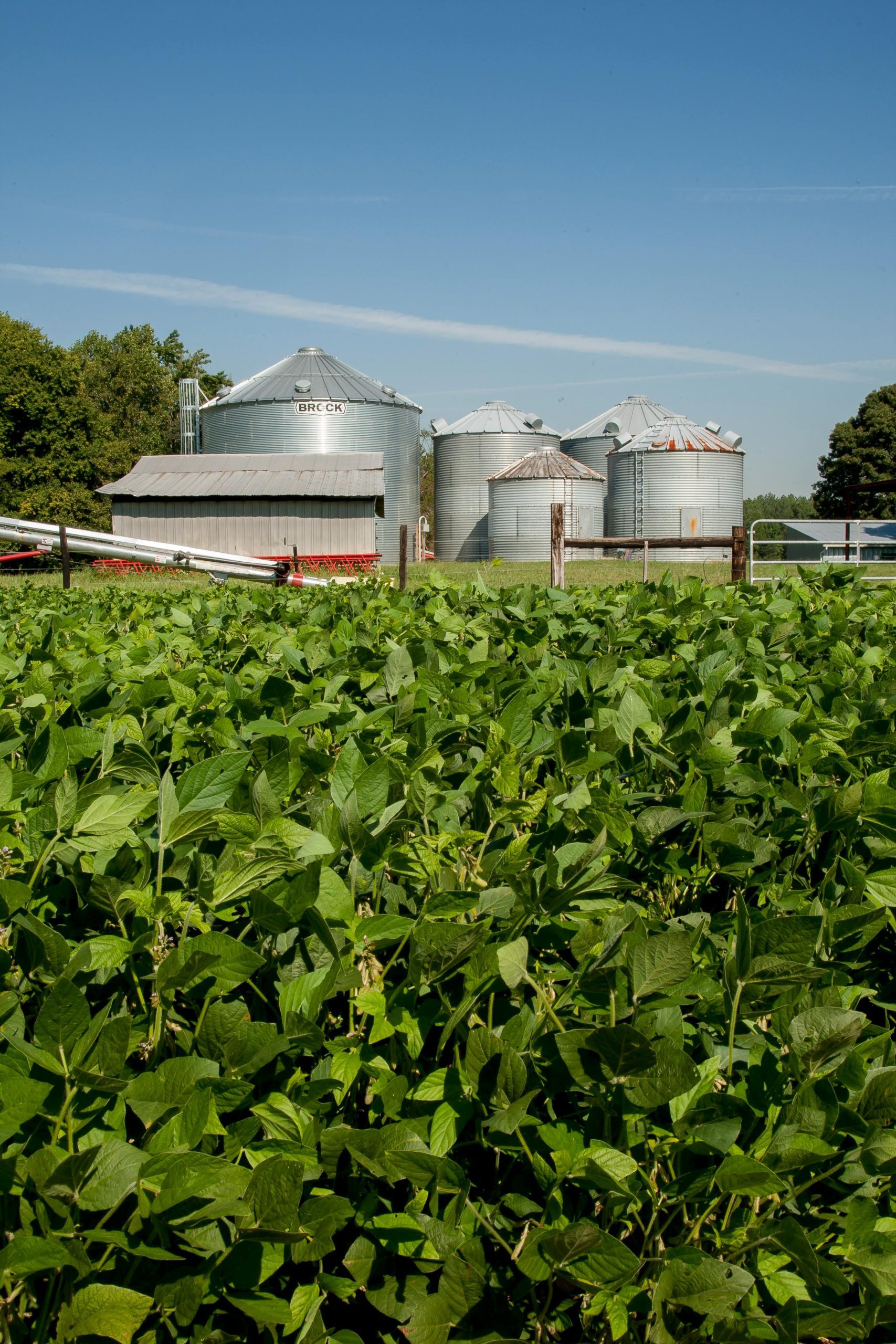
pexels-nc-farm-bureau-mark-2889412

Regenerative agriculture

    Build matter and life in the soil.

    Soil matters

    Through innovative practices like cover cropping, rotational grazing, and minimal tillage, regenerative agriculture harmonizes with nature, resulting in increased yields, healthier crops, and resilient landscapes. 

    Join us on a journey to discover the profound impact of regenerative agriculture on global food systems, climate change mitigation, and rural communities. Explore the principles that underpin this transformative method, empowering farmers to restore the land’s vitality and create a balance between human needs and ecological harmony.

    Our regenerative agricultural services

    Whether you’re a seasoned farmer, a sustainable manufacturer, or an advocate for a greener planet, let Peterson guide you in exploring, learning, and championing the regenerative agriculture movement.

    We help develop experiments and recommendations at the farm level, to test new products, reduce the amount of agrochemical applications, improve yields, and always reduce costs while increasing profit.

    During the implementation of a regenerative agriculture project, we help with the determination of the goals, by setting a management plan, and we offer support at each step of the implementation process whether it is on the field or for the data analysis & recommendations.

    To effectively measure the impact of regenerative agricultural systems, we offer diverse approaches tailored to the specific objectives & KPIs of our clients: a wide range of M&E tools, customized M&E frameworks, and in-house measurement approaches. This goes from data collection (as well as samples), processing & interpretation, to progress monitoring & reporting, & developing new technologies to facilitate the process.

    Outside of the regenerative agriculture scope, we provide support & advisory services for more conventional ways of farming. Indeed, we aim to provide comprehensive integrated services to the agricultural sector globally by offering tailor-made support (at the farm level) while incorporating yield enhancement, cost-effectiveness, & management efficiency. These services include market research, plantation development, field research, farm digitalization, etc.

    Managing GHG risks & identifying reduction opportunities are necessary nowadays on the path to achieving sustainability goals. Here, we help companies, farmers, and/or suppliers estimate their GHG emissions (scopes 1,2 & 3) and present some solutions to avoid/reduce them effectively.

    For the industries/supply chain allowing a global emission reduction by avoiding, reducing, or capturing CO2 into the soil, carbon credits might be an additional revenue you can apply for (offsetting), or use to reduce your emissions within your supply chain (insetting). Nevertheless, we are here to help through from the data collection & writing of the Project Design Document (PDD), to the placement of the credits on the voluntary market.

    Every step of the way throughout regenerative agriculture projects we can help developing tailor-made solutions in data analytics, geo services, software development, and/or e-learning. Some examples already performed for our clients: Carbon modelling; Dashboard creation; Automatization/ digitalization of data collection, processing, & analysis; Farm stratification; Identification of Mycotoxin; geo-mapping; MRV platform; & Other custom-made solutions.

    Certification with regenerative standards can bring several benefits for companies, both for individuals & organizations, such as Demonstrating a commitment to sustainability; Meeting regulatory requirements; Improving efficiency & reducing costs; Accessing new markets; and Attracting & retaining employees. Our pre-assessment & consultancy services for multiple standards aim at helping companies & farmers obtain a certain certification or adjust their practices.

    Our involvement in regenagri

    Regenagri is a regenerative agriculture initiative that supports farmers and organizations in implementing sustainable practices that improve soil health, promote biodiversity, and optimize water and energy use. It also enables the measurement of progress and the creation of value through more environmentally responsible production.

    Read more
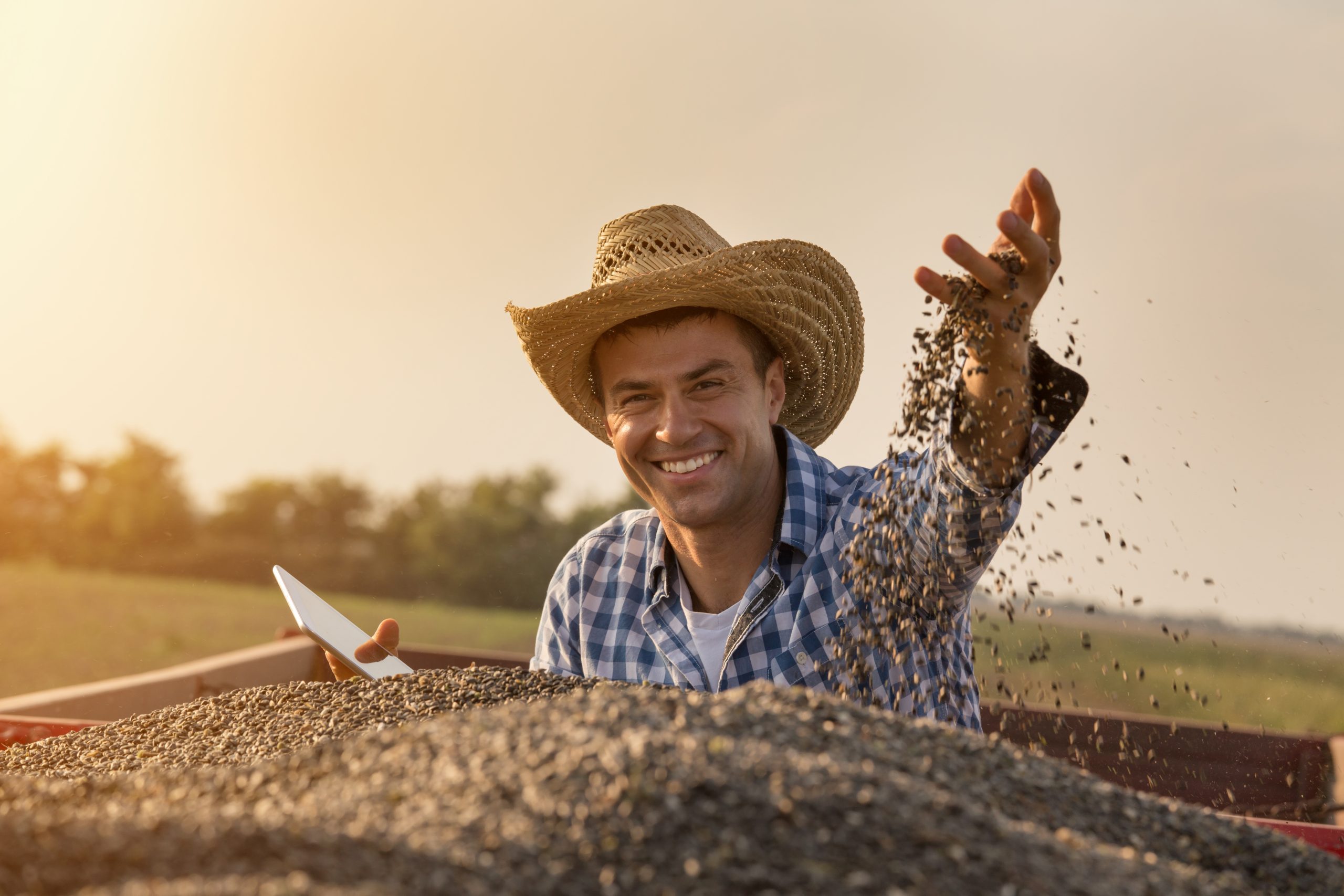
    Happy farmer sitting in trailer full of sunflower seeds